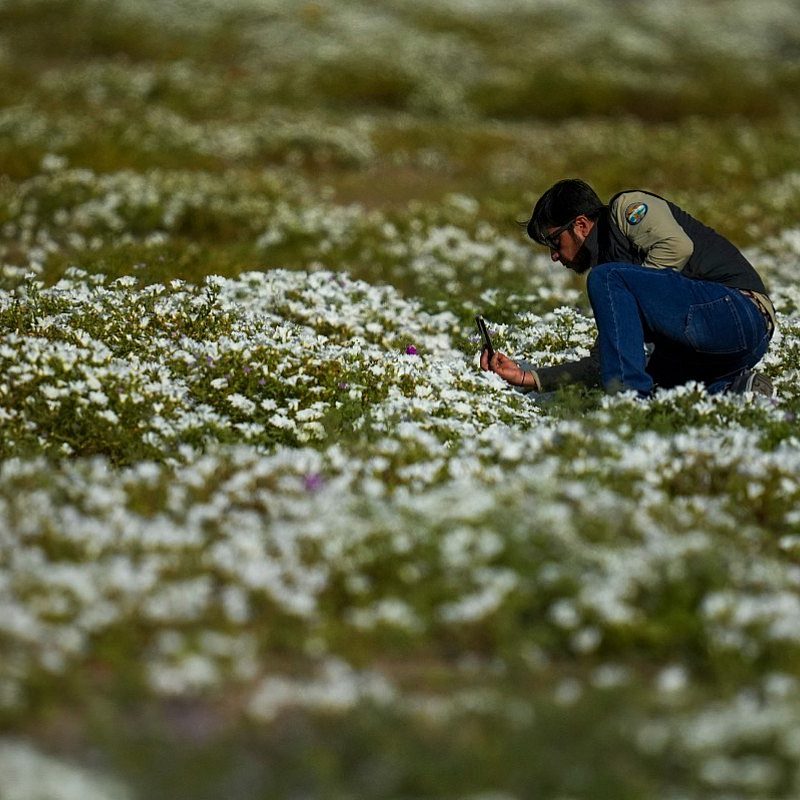
Las Vegas, Nevada, is a booming city with a full share of traffic, noise, and neon lights. But once, wildflowers bloomed here. Specifically, a wildflower called Oreocarya insolita. The plant grew shin-high. Its white blossoms appeared every spring.
Does the flower still exist? Maybe not. No one has reported a sighting of it for nearly 100 years. And as far as scientists know, it grows nowhere else in the world.
It’s not the only “lost” species in Nevada. Across the state, 20 animals have disappeared. Big ones like the towering American bison. Tiny ones like Pyramid Lake pebblesnails.
Some species continue to live in other areas. Others haven’t been seen elsewhere either. And there could be more species in trouble that scientists don’t know about.
“Nevada is a state where so much exploration still needs to be done for biodiversity,” says scientist Matthew Forister.
Dr. Forister works with a team of scientists from around the world. They track species on their way to extinction. They call these species “lost.” No one has seen them in years. Are they extinct already? Scientists aren’t sure.
They keep track of their findings in a new scientific journal, the Journal of Lost Species. The goal: Document species that exist in a gray area between endangered and extinct. Keep track of any that no one has seen in 10 or more years.
“I had this revelation,” Dr. Forister says. “We weren’t doing enough to keep track of these things.”
The U.S. Fish and Wildlife Service (USFWS) is in charge of deciding which plants and animals go on the endangered species list. But that agency is listing fewer species right now. Why? The U.S. government has chosen to spend less money on the USFWS. It removed staff.
The USFWS employed 134 people in Nevada in 2024. It now employs 85.
Meanwhile, about 400 species wait to be listed. That includes more than two dozen in Nevada.
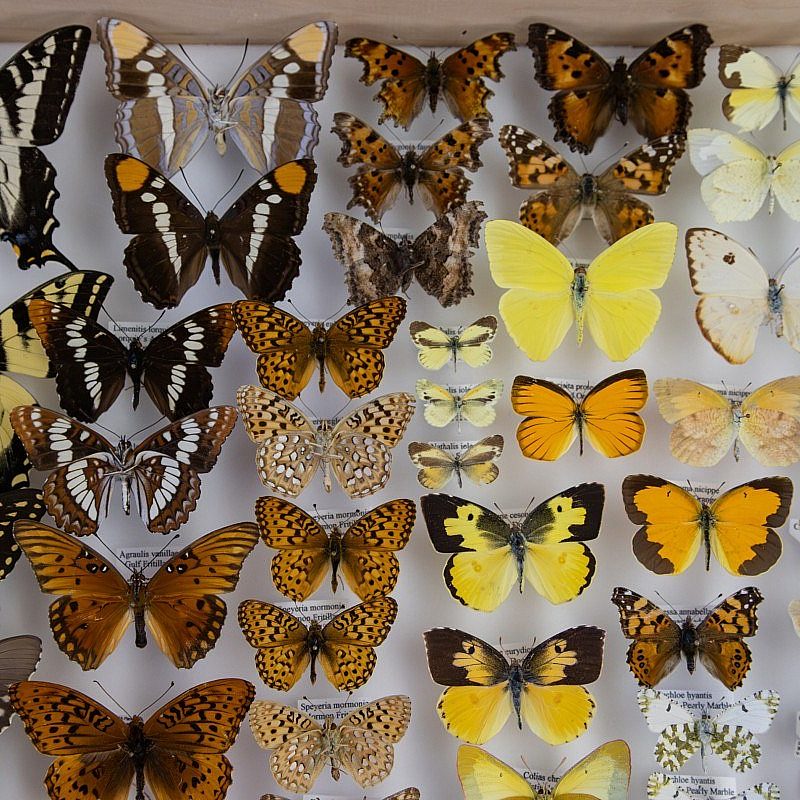
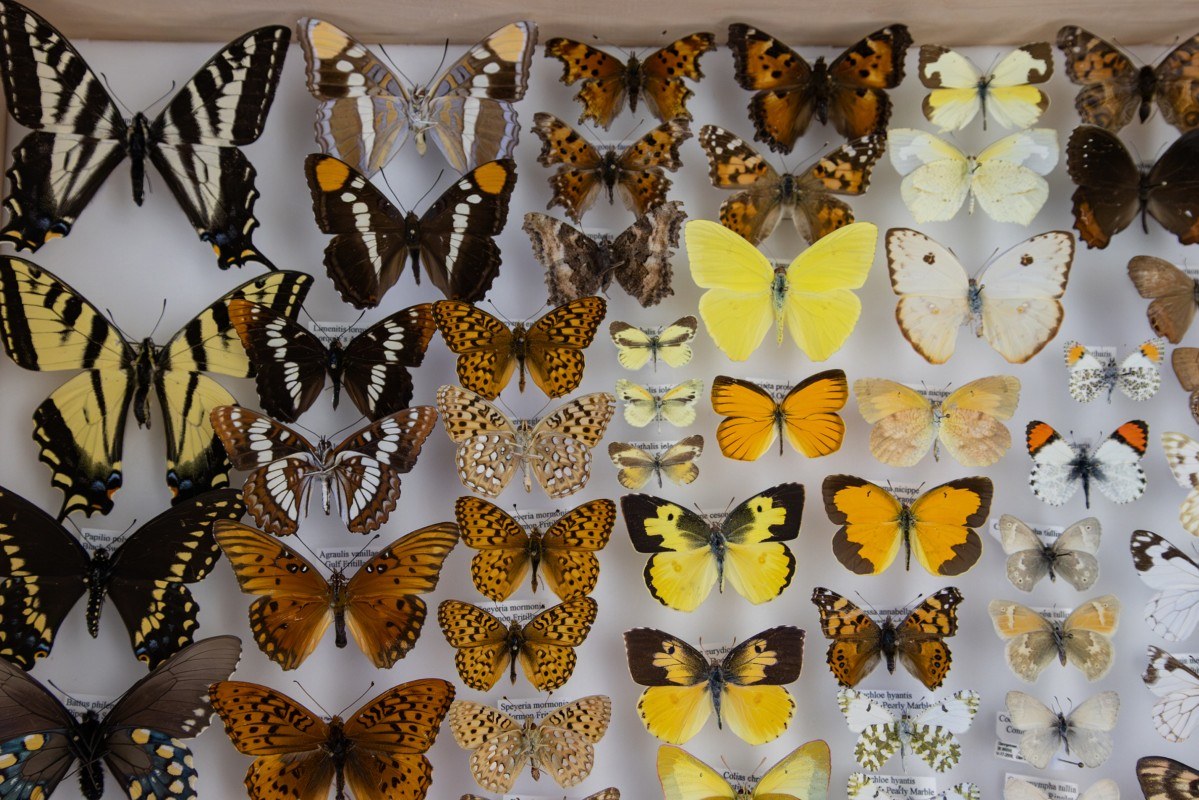
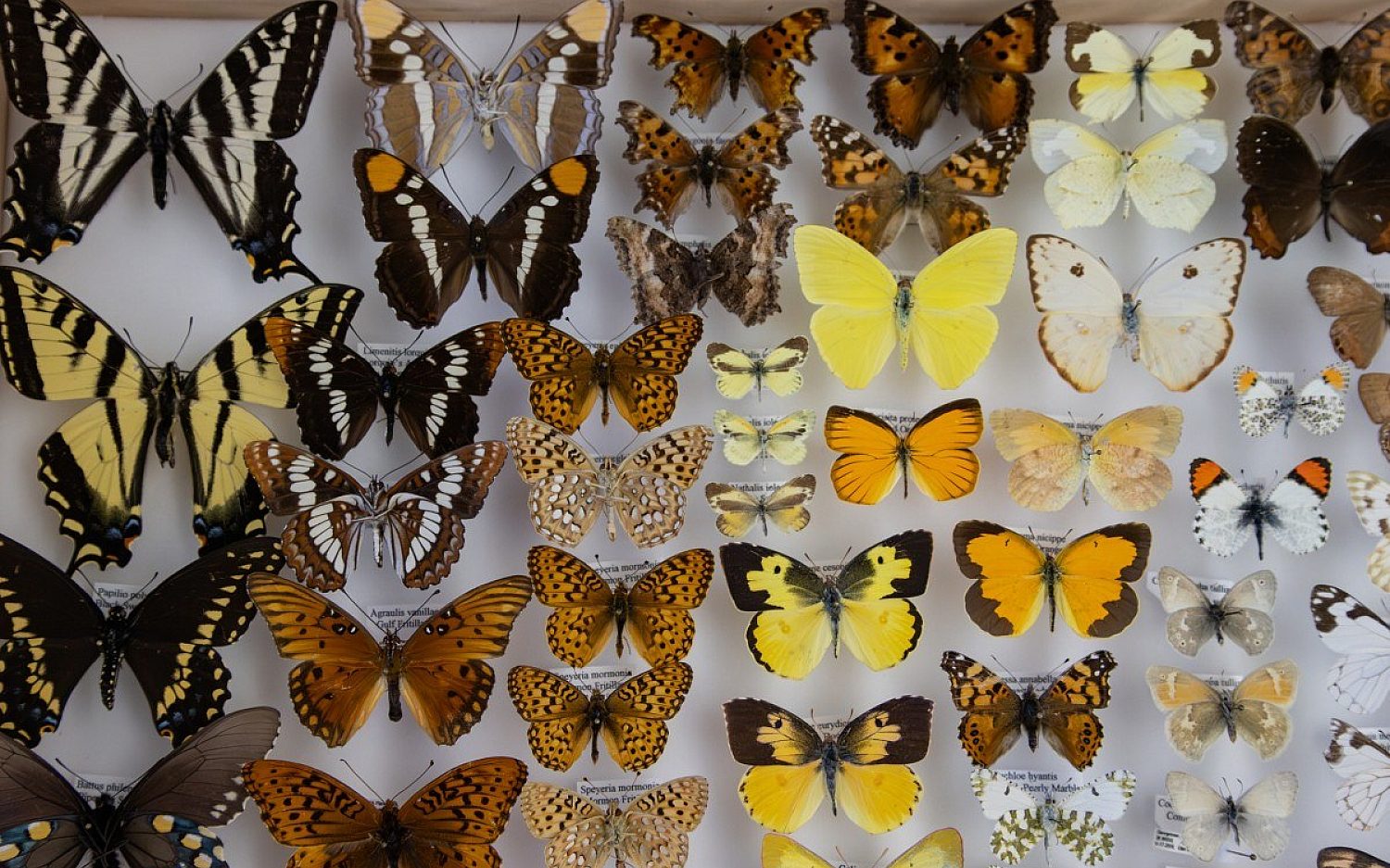
Dr. Forister also works hard keeping track of butterflies. Nevada’s butterfly population is shrinking. The bleached sandhill skipper butterfly is waiting for protective laws. The Mount Charleston blue butterfly is already listed as endangered.
Do you remember the job God gave Adam in the Garden of Eden? Naming the animals! Do you think the work in Nevada feels similar? God gives us the responsibility and privilege of taking care of His wonderful world.