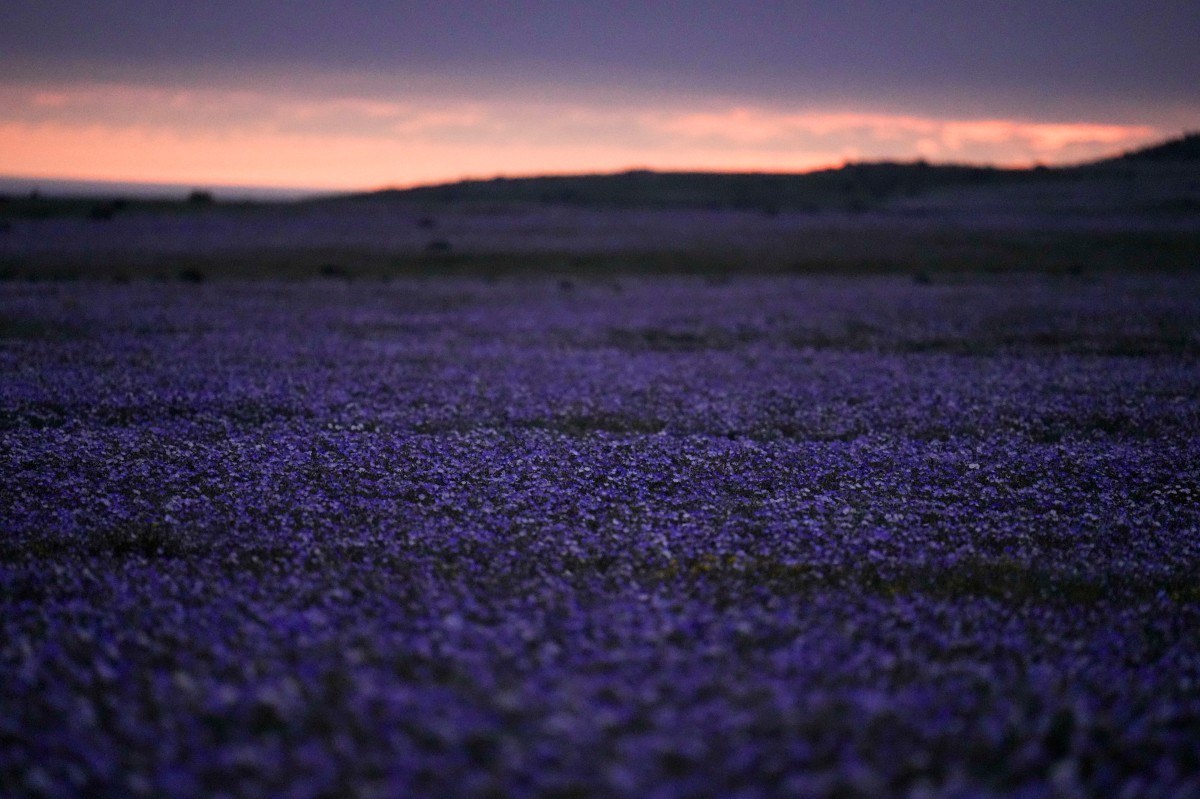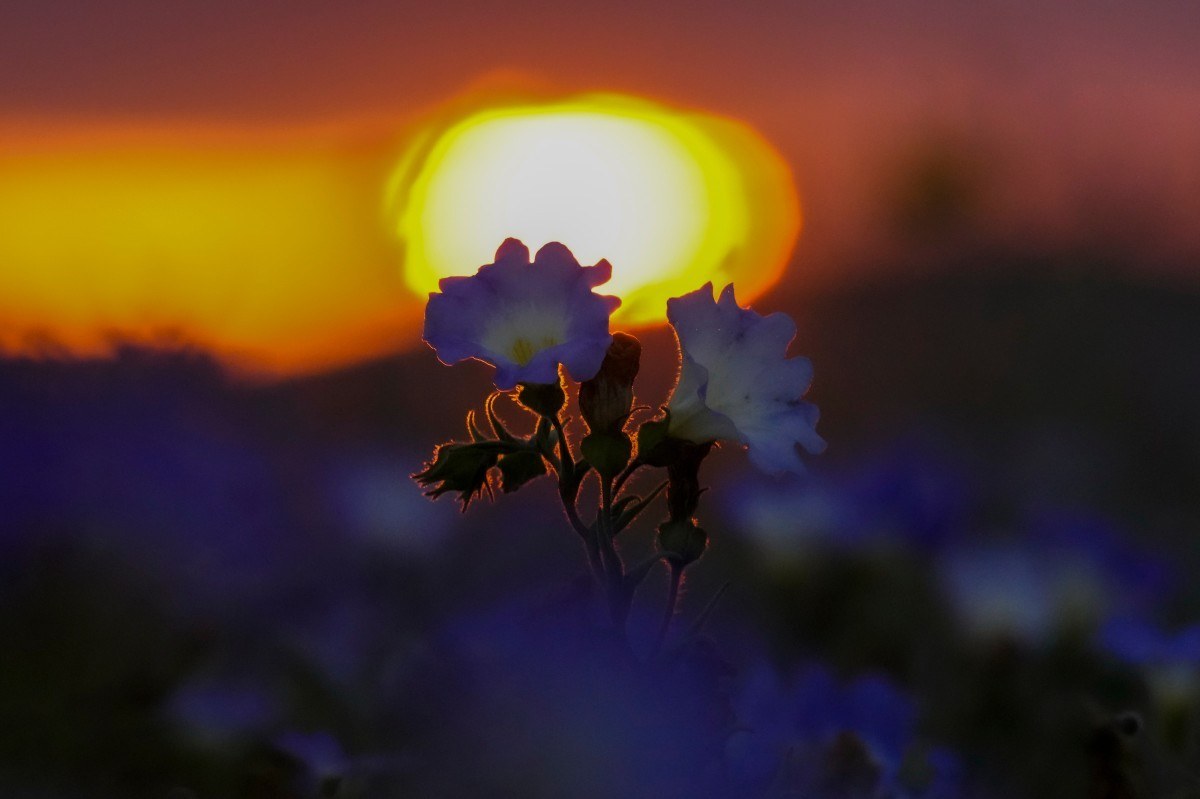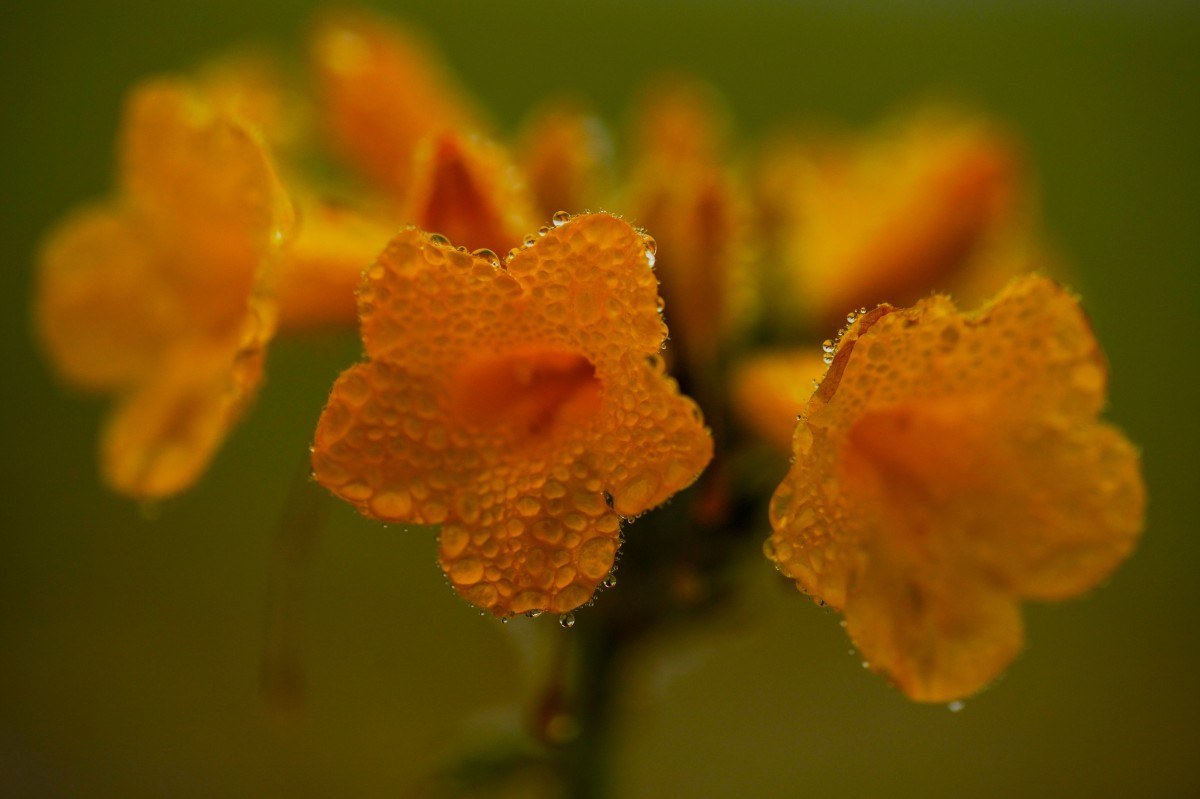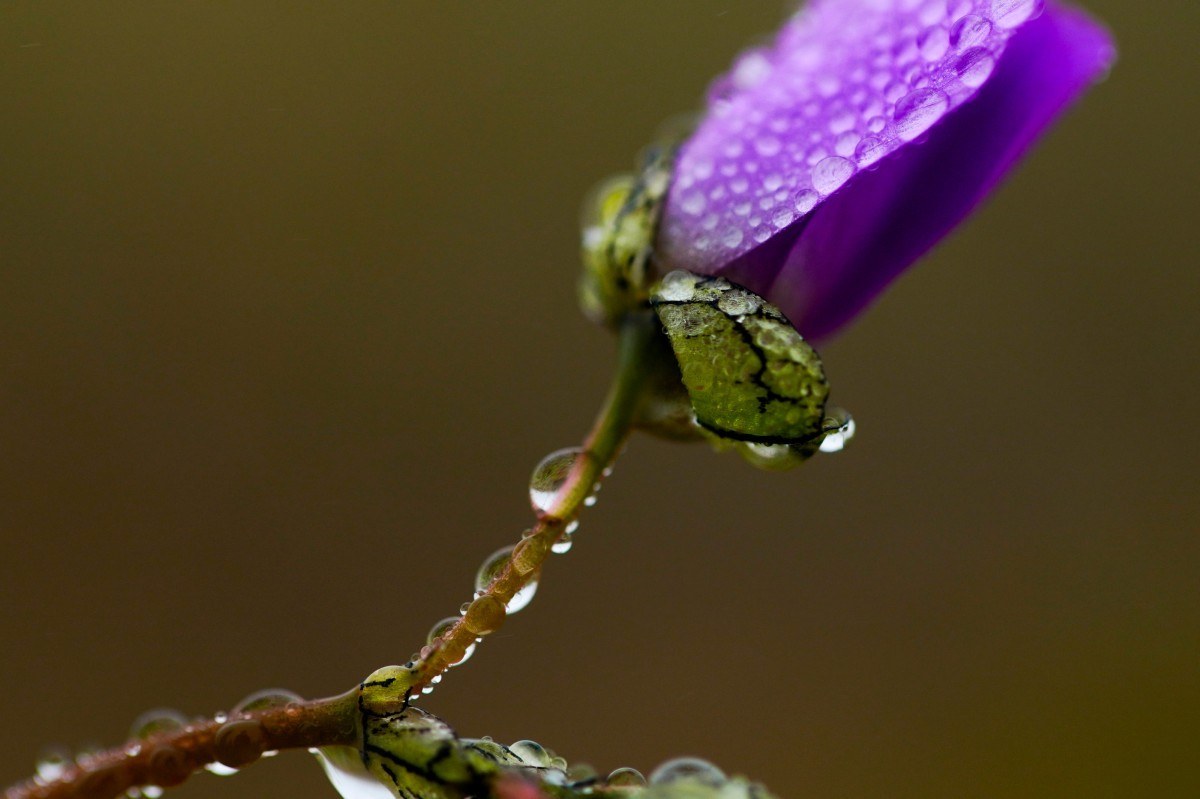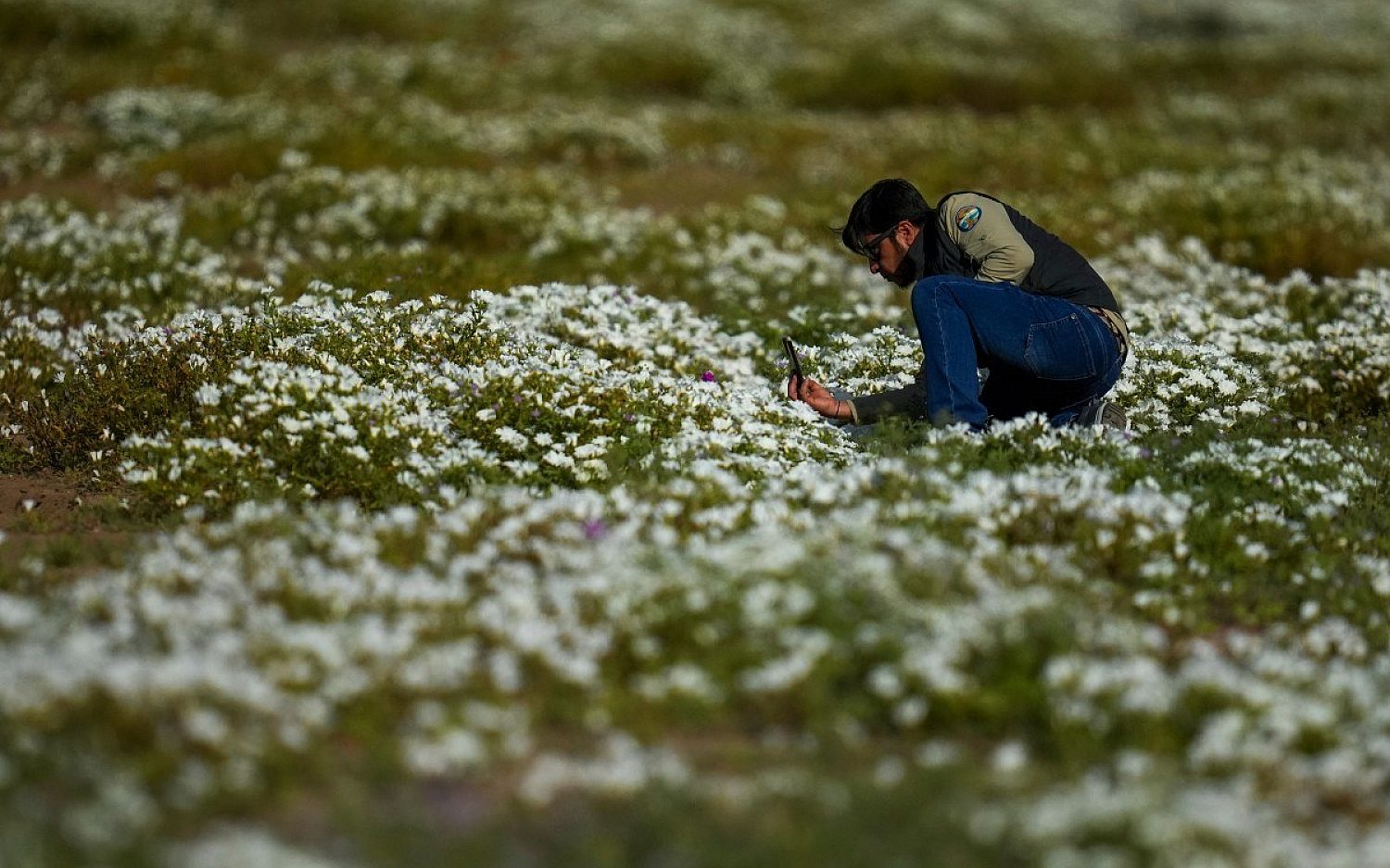
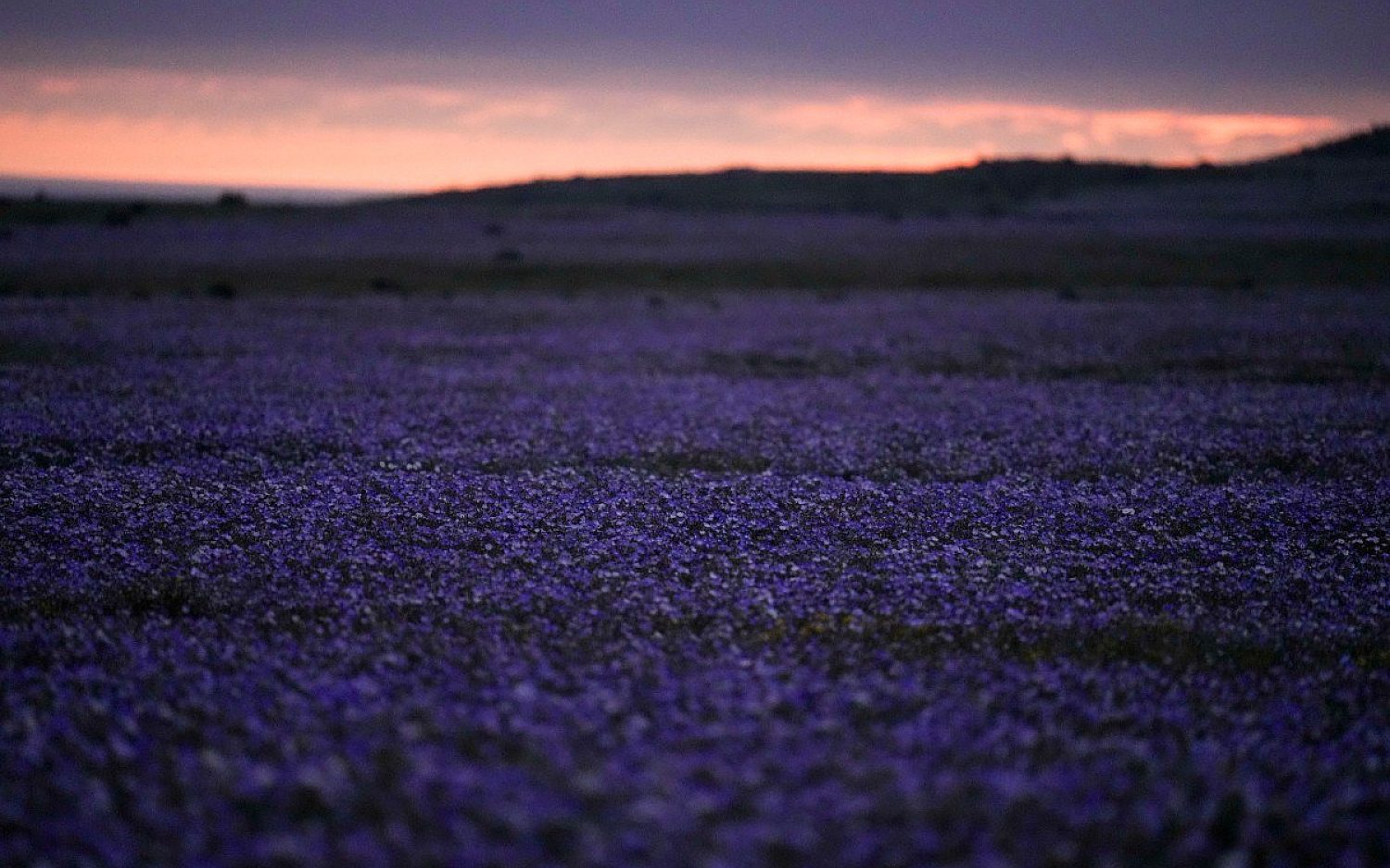
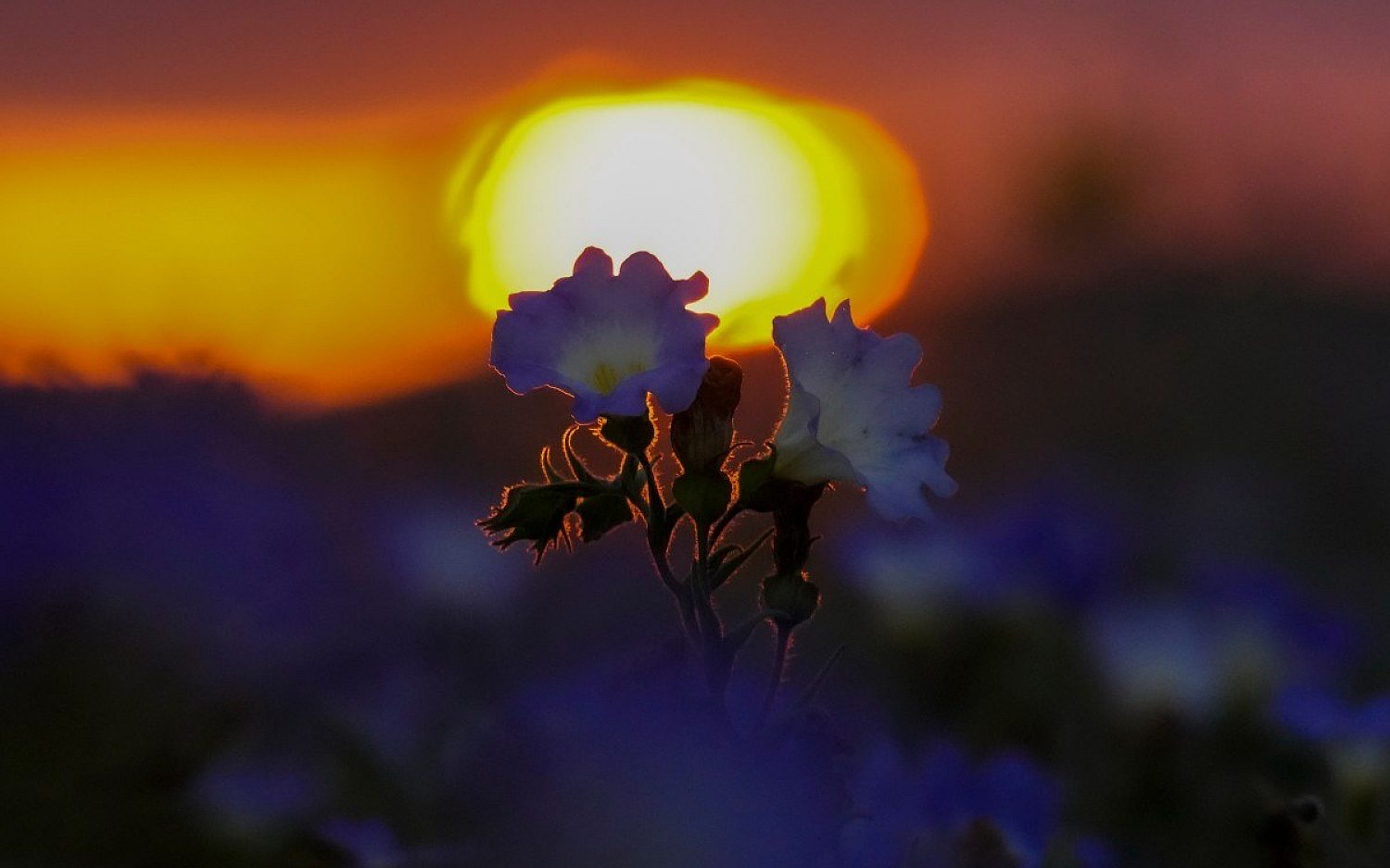
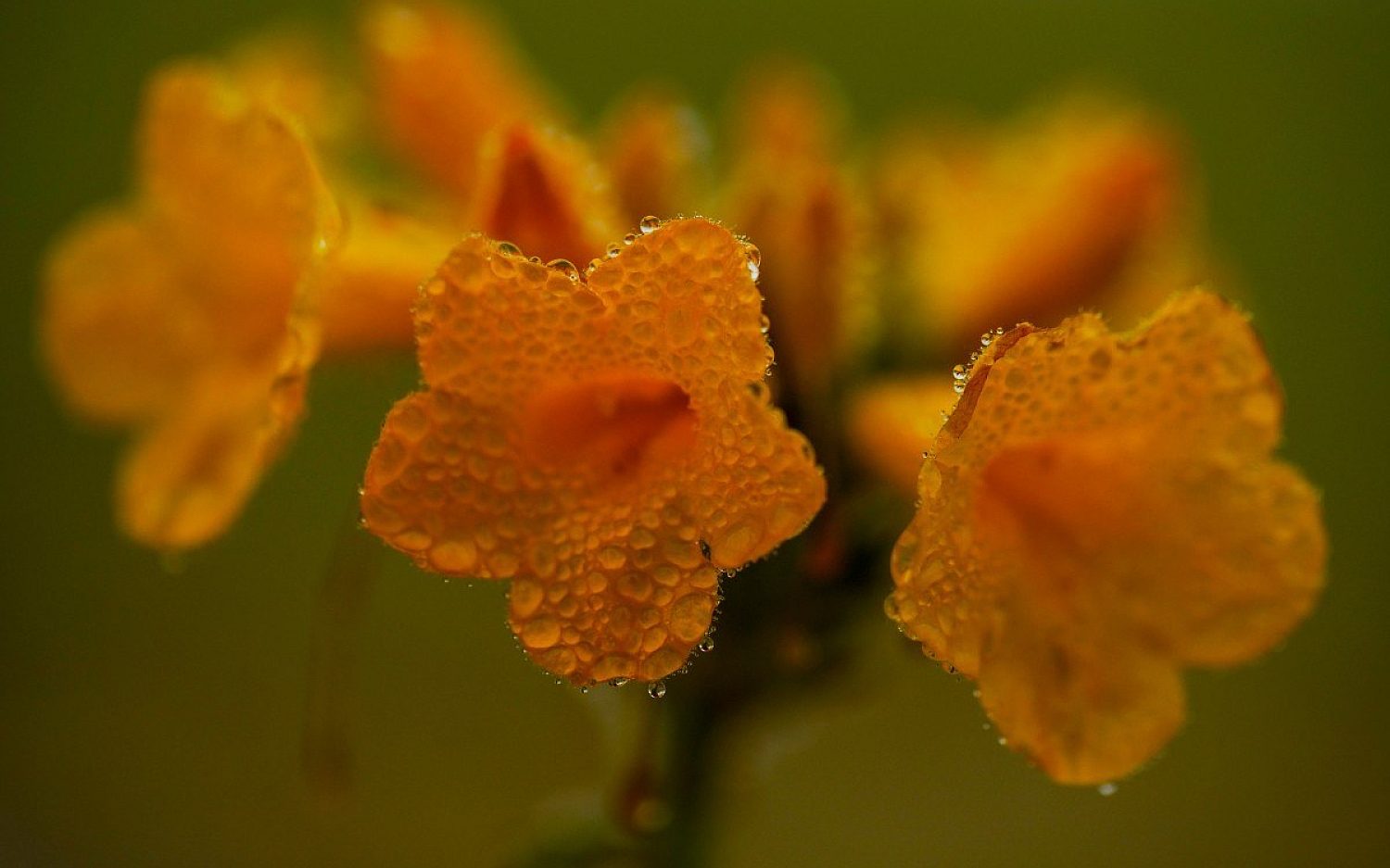

Is it fall where you live? In the Southern Hemisphere, spring just arrived. And even the desert is blooming!
Chile’s Atacama Desert is known as the driest nonpolar desert on Earth. (Which brings up another question. What’s a polar desert, anyway? Answer: A very cold area at Earth’s poles that receives almost no precipitation.)
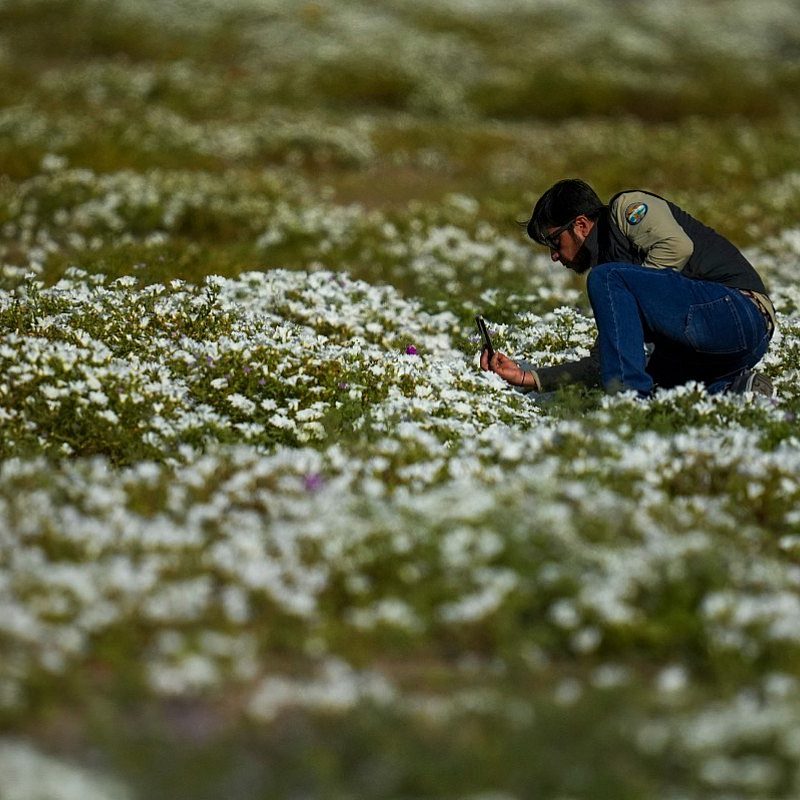
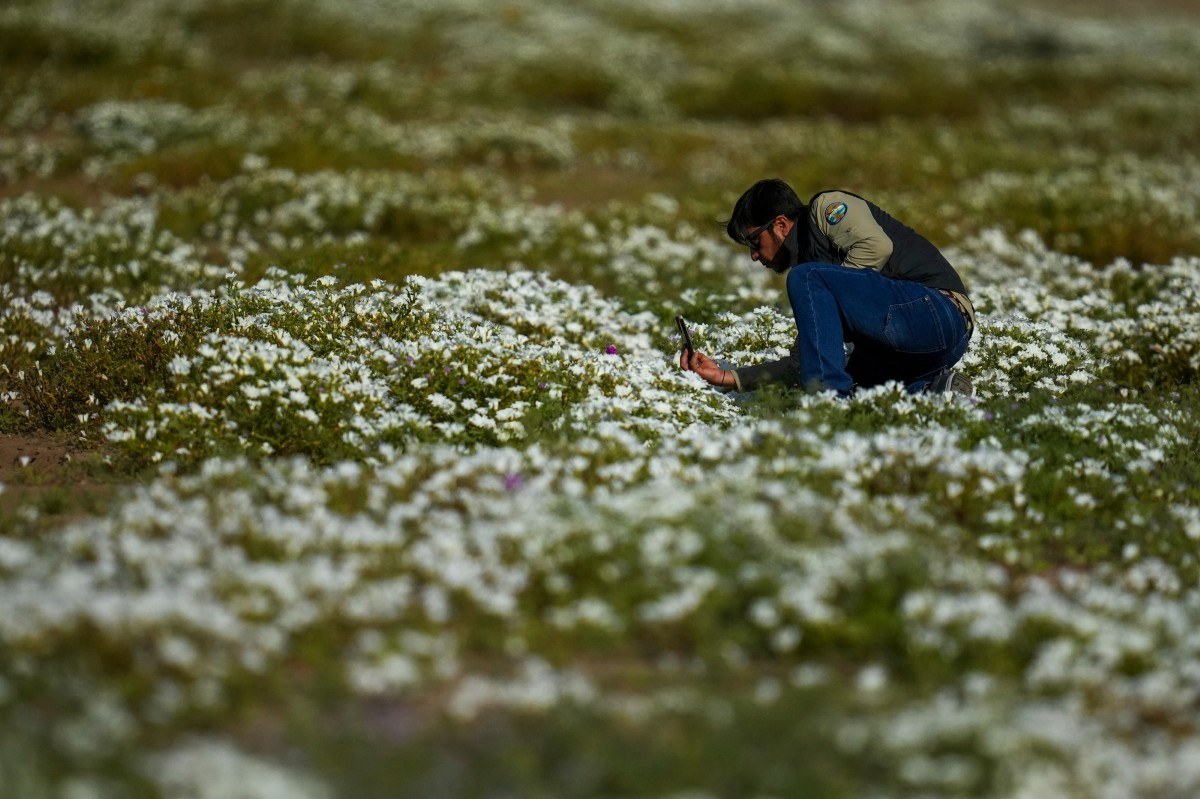
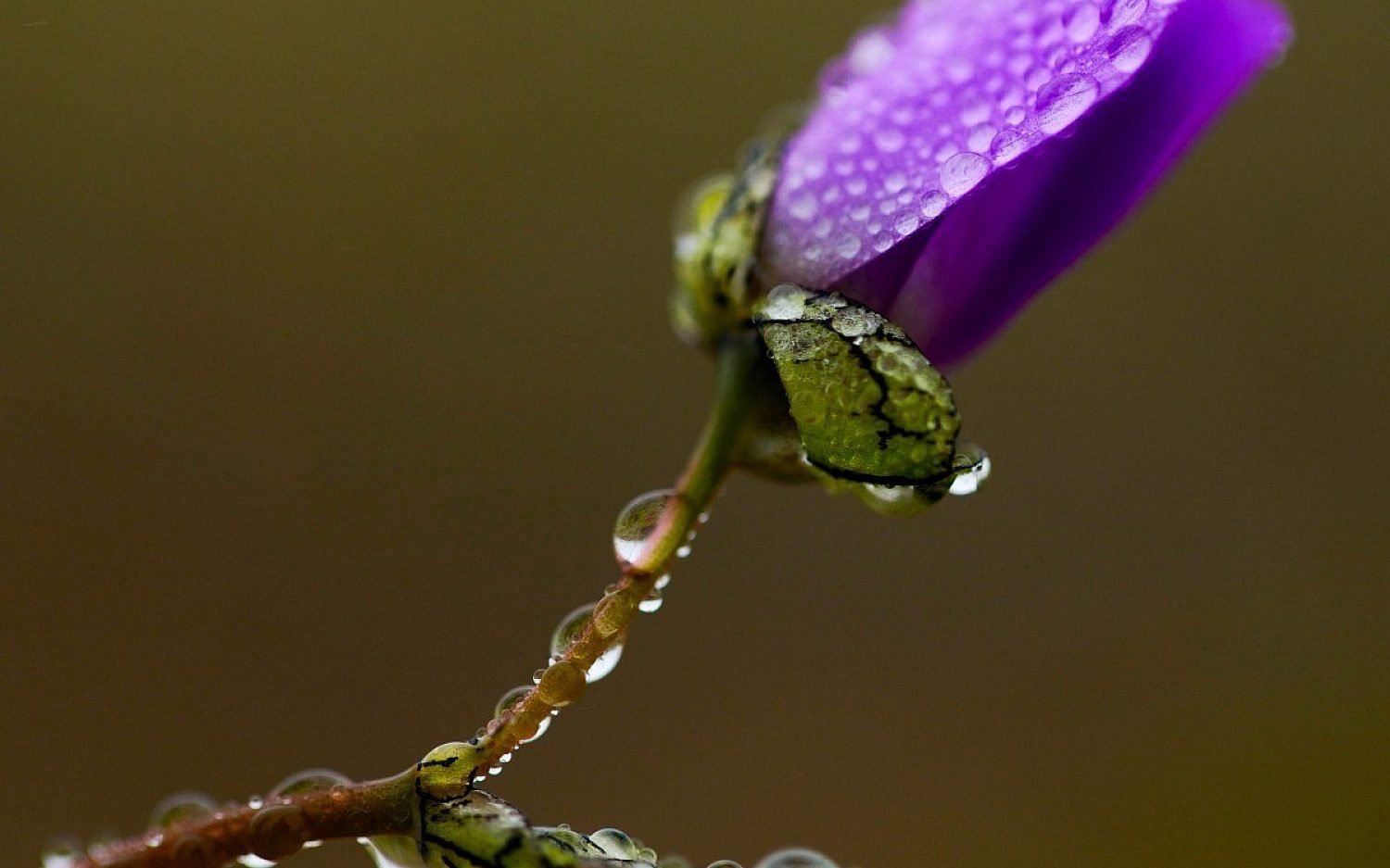
The El Niño weather pattern brought heavy rains to the Atacama Desert earlier this year. An unusual amount of water sank into the ground. Millions of seeds and bulbs now sprout and bloom. Many have waited to bloom for decades! The desert’s landscape has turned into a colorful carpet of wildflowers. It’s a historic Desierto Florido, or “flowering desert.” It’s the biggest and brightest since 1997.
“It is a unique phenomenon,” says Jorge Carabantes. He works for Chile’s National Forest Corporation. “There are more than 200 plant species.”
The Atacama lies between the Pacific Ocean and the Andes Mountains. It measures about 1,000 miles from north to south.
“I always thought it was just going to be brown. That’s my image of a desert,” says Felix Banda. He is visiting the Atacama for the first time.
Between July and August, some parts of Chile got the most rain since the 1950s. (That’s when people started recording rainfall.) A super El Niño drove the heavy precipitation. (Learn all about where El Niño comes from here.)
The weather pattern hasn’t just brought blossoms to Chile. It also brought floods. And the rain didn’t just wake up seeds and bulbs. It also activated the eggs of invertebrates and reptiles.
And tourists rush in. Folks in Chile expect nearly 300,000 overnight trips to see Desierto Florido.
The wilderness and the dry land shall be glad; the desert shall rejoice and blossom like the crocus. — Isaiah 35:1