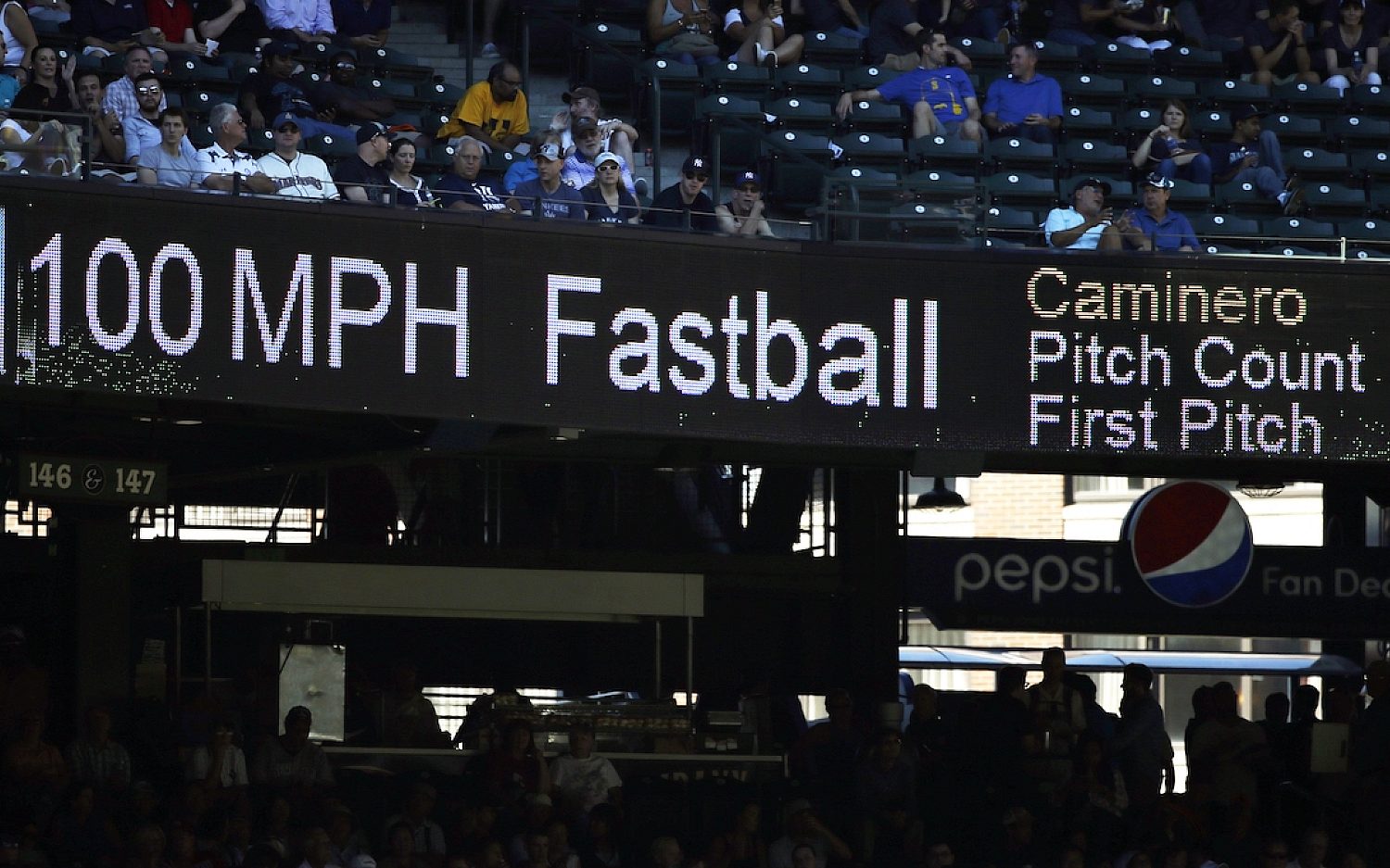
The Major League Baseball (MLB) batting average dropped slightly this year. So did the average number of home runs. Why? It’s hard to say for sure. But the speed of pitches may have something to do with it.
The Majors set a new record this year for average fastball speed: 94.8 miles per hour. This number has increased for six straight years. A clear picture emerges: Professional pitchers are getting faster.
The upward trend will likely continue in the rising generation. Pitchers under 25 years old averaged 95.9 miles per hour.
“I’m glad I got out of the game when I did,” says San Diego Padres manager Craig Stammen, a former pitcher.
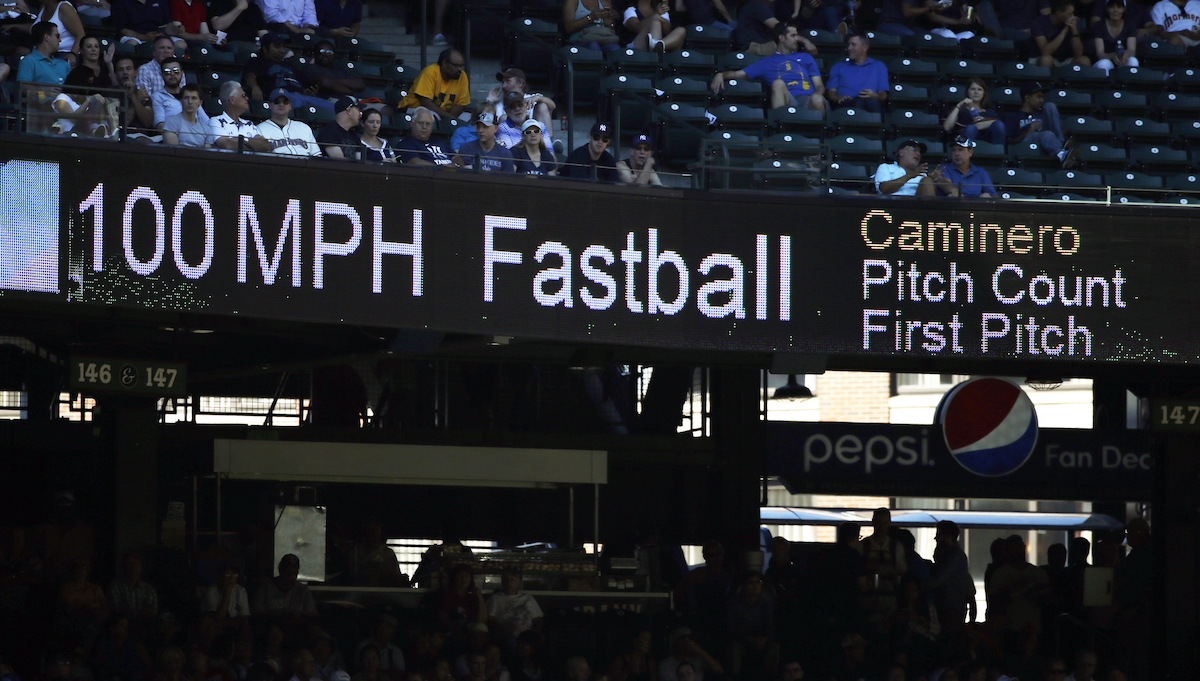
Not long ago, the league rarely saw pitches faster than 100 miles per hour. This year, MLB pitchers threw 5,687 pitches of 100 miles per hour or more. That’s a new record. Last year, they threw just 3,701 such pitches. Back in 2008, when tracking began, they threw only 214.
“It’s crazy, man. Everybody throws 100,” says New York Yankees third baseman Ryan McMahon. He’s played 10 big league seasons. “When I was first up, you used to catch the mop-up guy throwing 90, 91. Now, if they bring a mop-up guy in, he’s got five pitches and throws 100.” (“Mop-up” pitchers are usually closers in tough games. They take over from the starting or relief pitcher when the game seems lost. They step in to “clean up the mess.”)
Why do pitches keep getting faster? It’s largely due to technology and training.
“We have a lot more help,” says Atlanta pitcher Chris Sale. “There’s more ways of finding out efficiency.”
High-speed cameras let players watch their pitches in super slow motion. They can play back the footage instantly. They can study each tiny arm motion. Trainers can spot exactly where a player’s form needs improvement.
But the need for speed comes at a cost. Many say it leads to more arm injuries. “I consider every elite thrower either pre-op or post-op,” surgeon Dr. Keith Meister told CNN. This means fast pitchers either have had surgery or they will soon.
God wants us to work hard and do our best. But He also gives us limits. He doesn’t command His people to work only. He also tells us to rest. In Him, we can pursue excellence in a healthy way—not for our glory, but for His glory.