Does an apple each day really keep the doctor away? Not always—but it can help! Fresh, healthy food provides nutrients our bodies need. But not everyone can afford fresh food. A new program in Hawaii aims to help.
How? By letting doctors prescribe not just medicine, but food!
Hawaii’s “Food is Medicine” program launches in January. It will allow doctors prescribe fresh food to Medicaid patients. (The federal government and state governments fund Medicaid with some of the taxes citizens pay. It helps cover medical care costs for people with disabilities or those who make very little money.)
These prescriptions may include fruits, vegetables, beef, chicken, eggs, and ahi (tuna). More than 100,000 Hawaiians may use the program.
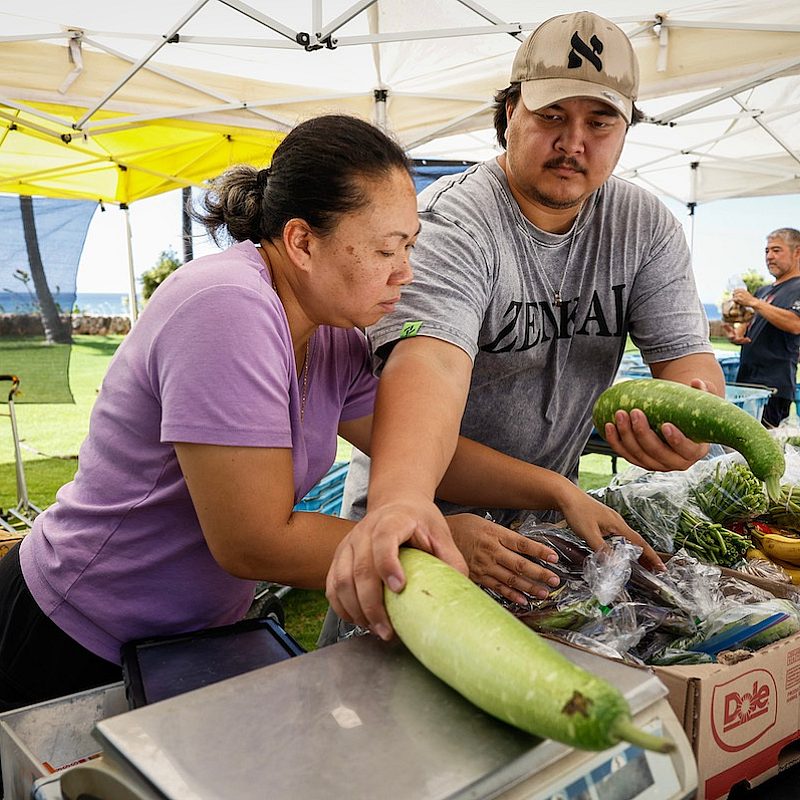
In Hawaii, one out of every three households struggles to find affordable, fresh food. Moses and Suzette Paio live on Hawaii’s largest island. For years, they’ve suffered from diet-related health problems. They live in a food desert. That’s not a literal desert. It’s a place with limited access to nutrient-rich foods.
“It’s not that I don’t want to buy it,” says Mrs. Paio. “It’s just that I can’t.”
This year, they took part in a test program. For five months, they received boxes each week. They held local meats and produce.
Mrs. Paio had struggled with high blood sugar for over a decade. With fresh, whole foods, her average blood sugar dropped by half. Her husband lost over 70 pounds. The experience helped them build healthy habits.
“We just thank God for the opportunity that we had,” says Mrs. Paio.
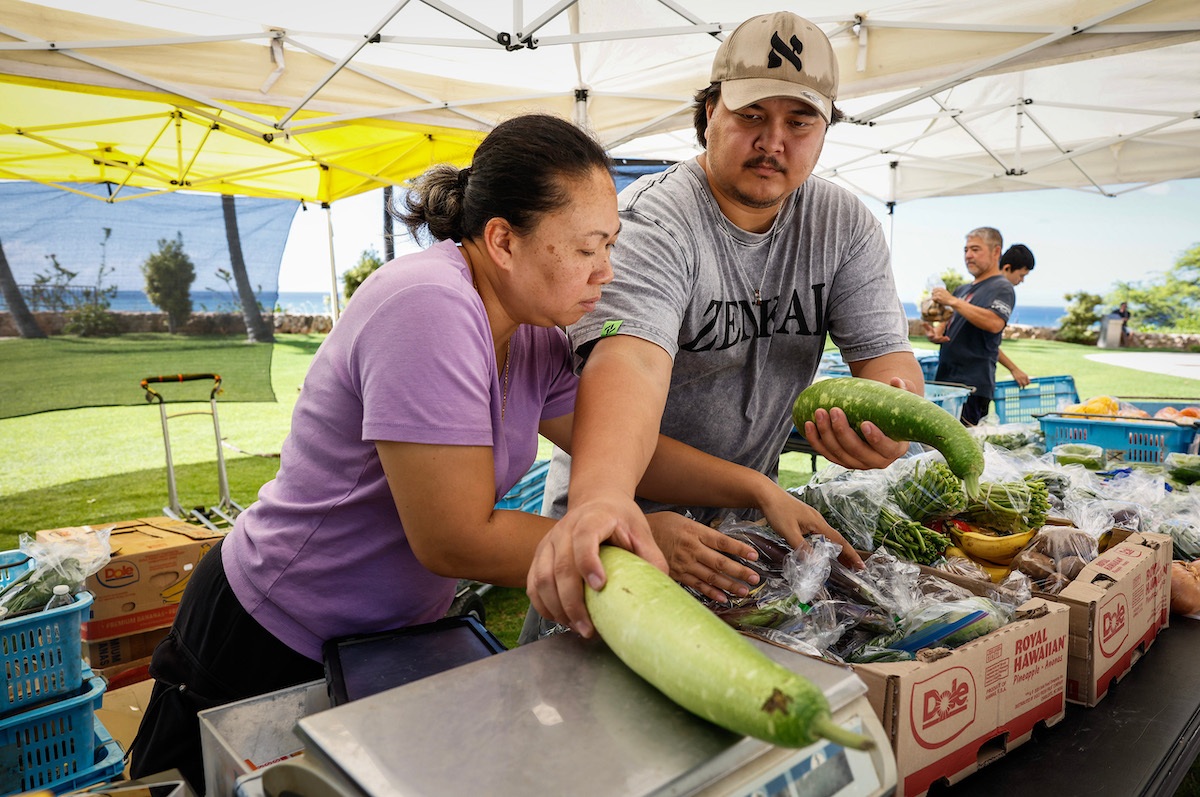
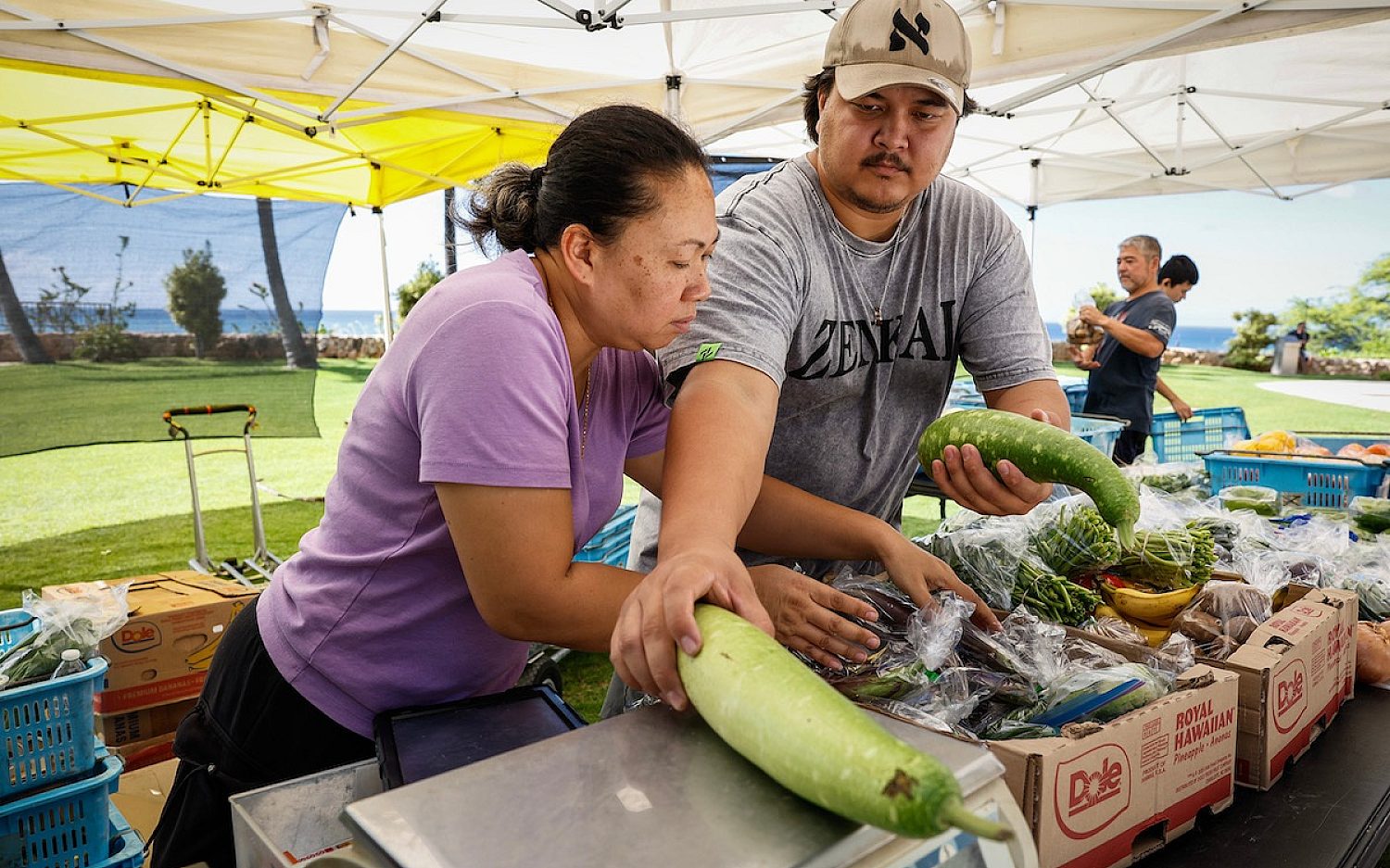
Doctors can prescribe food in several states. But Hawaii’s plan focuses on locally sourced foods. That means the program doesn’t assist only patients. It also provides sales for local farmers.
The money for the program comes from taxpayers. Should citizens have to pay for others’ food? People disagree on this issue. But researchers think healthy diets could greatly reduce hospital visits. Hospital visits, medicines, and operations can cost much more than fresh food. By cutting down on the need for those kinds of medical care, the food program could save taxpayers money.
God often brings healing through medicines and doctors. He also provides much of what we need in creation itself. He designed our bodies for healthy food and active living. Problems like poverty and medical conditions make that hard for some. Can programs like Hawaii’s “Food is Medicine” help?
And God said, “Behold, I have given you every plant yielding seed that is on the face of all the Earth, and every tree with seed in its fruit. You shall have them for food.” — Genesis 1:29